
Optogenetics: Using Light to Control Cells and Possibly Treat Blindness
Introduction Optogenetics—the technique of genetically modifying cells so they respond to light—has transformed neuroscience research. By inserting genes for light-sensitive proteins (like channelrhodopsins) into specific neurons, scientists can turn electrical activity “on or off” with pulses of light. Beyond basic...
Read More
Holodeck Healing: Will We Use VR to Simulate and Solve Health Problems?
Introduction From Star Trek’s "holodeck" to the latest consumer VR headsets, immersive digital environments have captured imaginations for decades . But virtual reality (VR) isn’t just for gaming or entertainment—it’s already making waves in medicine. By letting doctors and patients...
Read More
Climate Change and Health: Preparing Medicine for New Disease Patterns
Introduction Global warming is more than a problem for polar ice caps or coastal cities; it also profoundly impacts human health. Changing climate factors—from heat waves and floods to shifting insect habitats—drive the spread of infectious diseases aggravate respiratory conditions,...
Read More
Global Genomic Surveillance: Tracking Viruses in Real Time Worldwide
Introduction From HIV to COVID-19, new viral threats continually challenge global health. An essential tool in modern public health is genomic surveillance—tracking viruses by regularly sequencing their genomes in real time . These efforts help detect new variants, monitor transmission...
Read More
Phage Therapy: Using Viruses to Defeat Antibiotic-Resistant Bacteria
Introduction Antibiotic resistance is a growing global crisis, jeopardizing our ability to treat common infections and secure safe medical procedures. As bacteria evolve to evade standard drugs, scientists are reviving an age-old approach: bacteriophages , or phages—viruses that specifically target...
Read More
Fecal Transplants 2.0: Next Generation Probiotics to Cure Disease
Introduction For decades, fecal microbiota transplantation (FMT)—transferring stool from a healthy donor to a recipient—has helped combat stubborn gut infections like Clostridioides difficile (C. diff). Its success has sparked a new wave of interest in microbiome-based therapies, often dubbed "Fecal...
Read More
Microbiome Medicine: Using Gut Bacteria to Treat Diseases
Introduction We increasingly understand that the human microbiome—the trillions of bacteria, viruses, and other microbes living in our intestines—plays a pivotal role in our well-being . From digestion to immune regulation, these microorganisms orchestrate essential bodily functions. An imbalance in...
Read More
Needle-Free Vaccinations: Skin Patches and Oral Vaccines on the Horizon
Introduction Many people experience anxiety and discomfort with injections, and delivering vaccines through needles typically requires trained healthcare providers and stringent cold-chain logistics. Researchers are addressing these challenges by developing needle-free vaccination methods. These alternatives aim to simplify immunization campaigns,...
Read More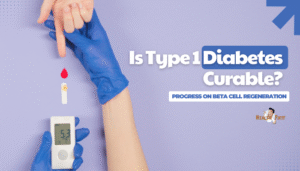
Is Type 1 Diabetes Curable? Progress on Beta Cell Regeneration
Introduction Type 1 diabetes (T1D) is an autoimmune disorder where the body’s immune system attacks and destroys the insulin-producing beta cells in the pancreas. Without adequate insulin, cells cannot properly absorb glucose, leading to high blood sugar and long-term health...
Read More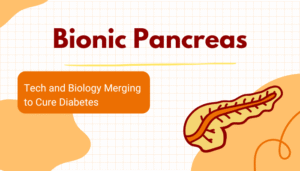
Bionic Pancreas: Tech and Biology Merging to Cure Diabetes
Introduction Diabetes affects millions globally, requiring strict blood sugar management to avoid complications. Traditional care involves manual insulin injections or pumps, guided by fingerstick glucose checks or continuous glucose monitors (CGMs). Despite these tools, daily life remains burdensome. Now, cutting-edge...
Read More